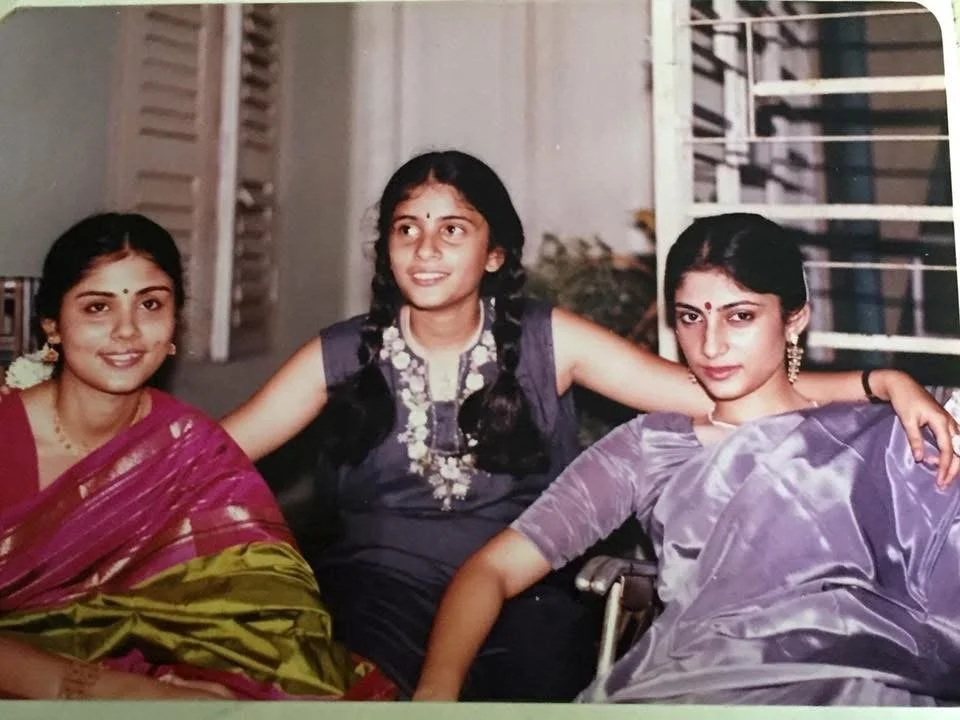
THE BARI STORY
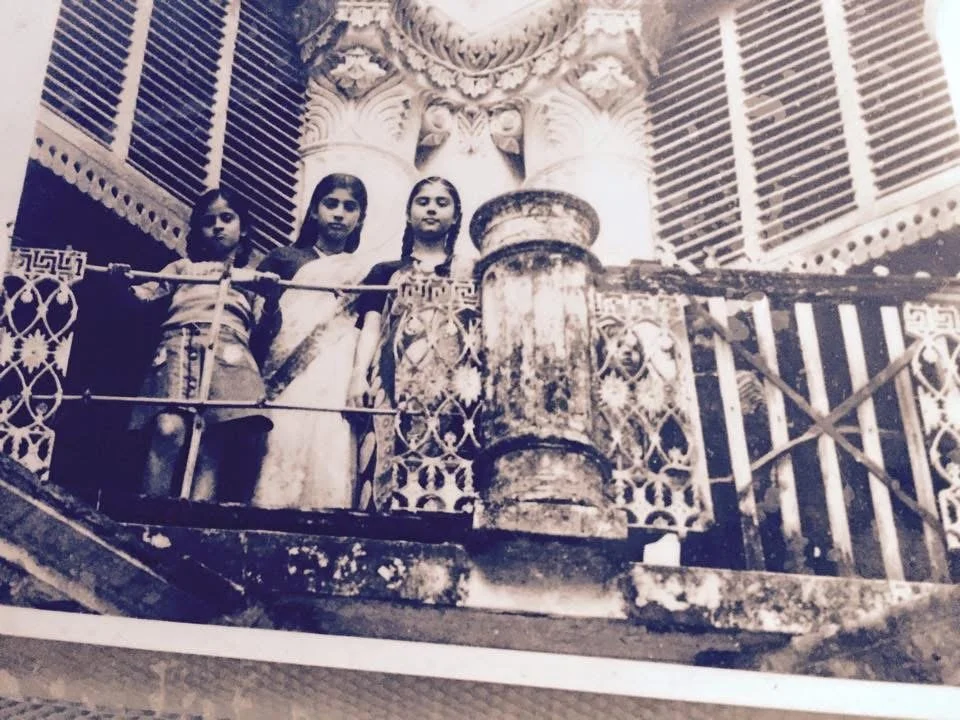
Bari. In Bengali, it means home.
There was a house in Behala, Kolkata. It had corridors that turned unexpectedly, doors that led to other doors, a rooftop garden where flowers sheltered us from the sun. Every room held something worth stopping for — shelves of books that had been read and re-read, paintings that watched you from the walls, sculptures that caught the light differently depending on the hour. The floors were cool stone underfoot. Textiles draped over chairs, folded at the ends of beds, hung in doorways where the breeze could reach them. Light moved through it differently depending on the hour — sharp and gold in the mornings, slow and amber by afternoon. It was a house that had been lived in slowly, accumulated over years.
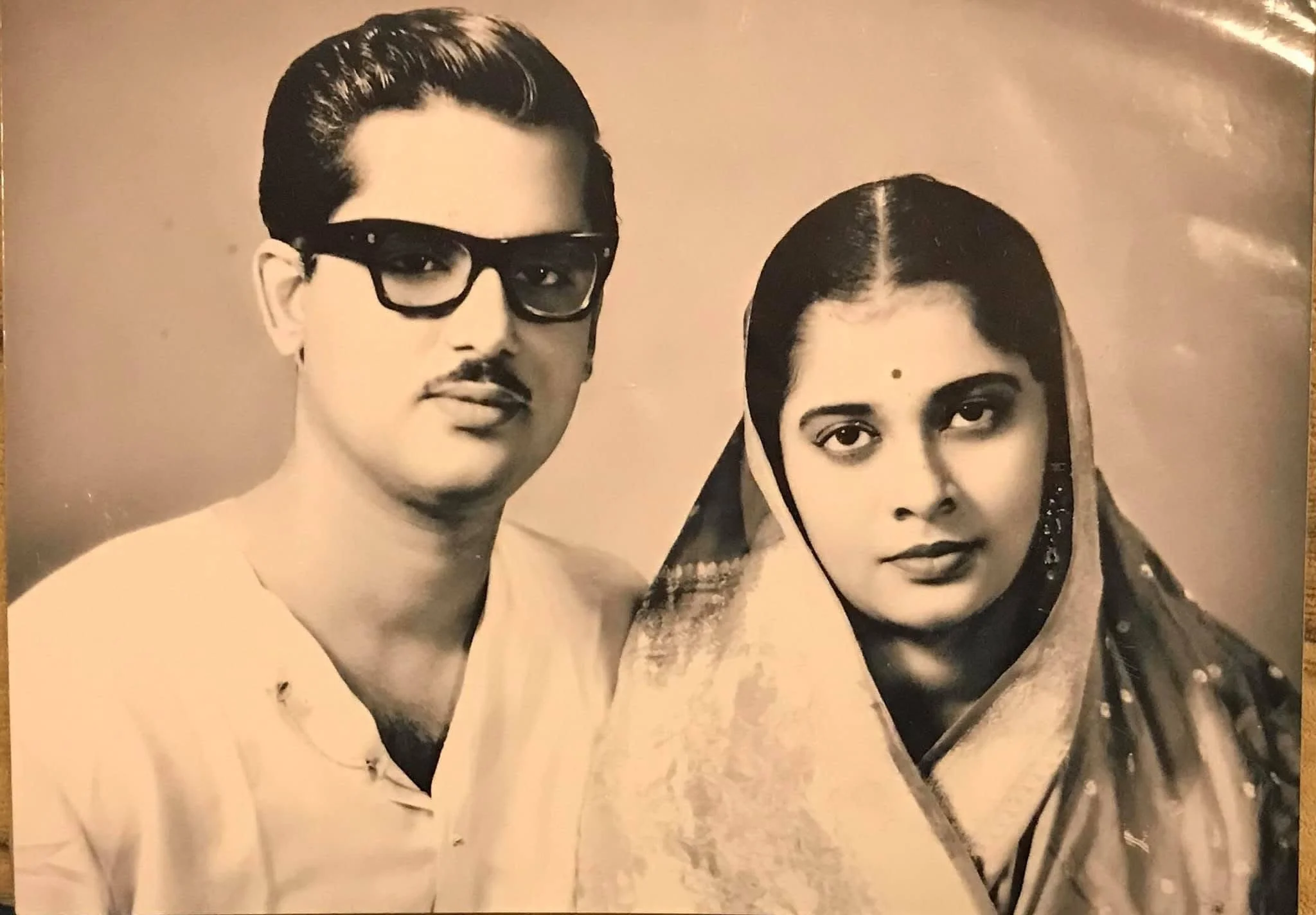
Our grandparents, Dimma and Dadu, kept a home that people always returned to. The table was always full. Bengali dishes arrived in abundance, sweets appeared without warning, and even the stray cats found shelter in the courtyard. Mornings on the verandah had their own rhythm. Chai arrived. Cards were dealt. No one was in a hurry. It was a home that understood abundance, not of things, but of welcome.
The Behala Bari exists now only in the way that lost things exist — completely, and only in memory. It visits us still, in the particular quality of afternoon light, in the smell of chai, in the feeling of being in a place that asks nothing of you and gives everything. BARI was born from the desire to recreate that feeling. Not the house itself, which cannot be recreated. But the warmth it carried. The belief that objects chosen with care, rooms tended with intention, can make a home that people return to because something calls them back.
— For Dimma & Dadu